
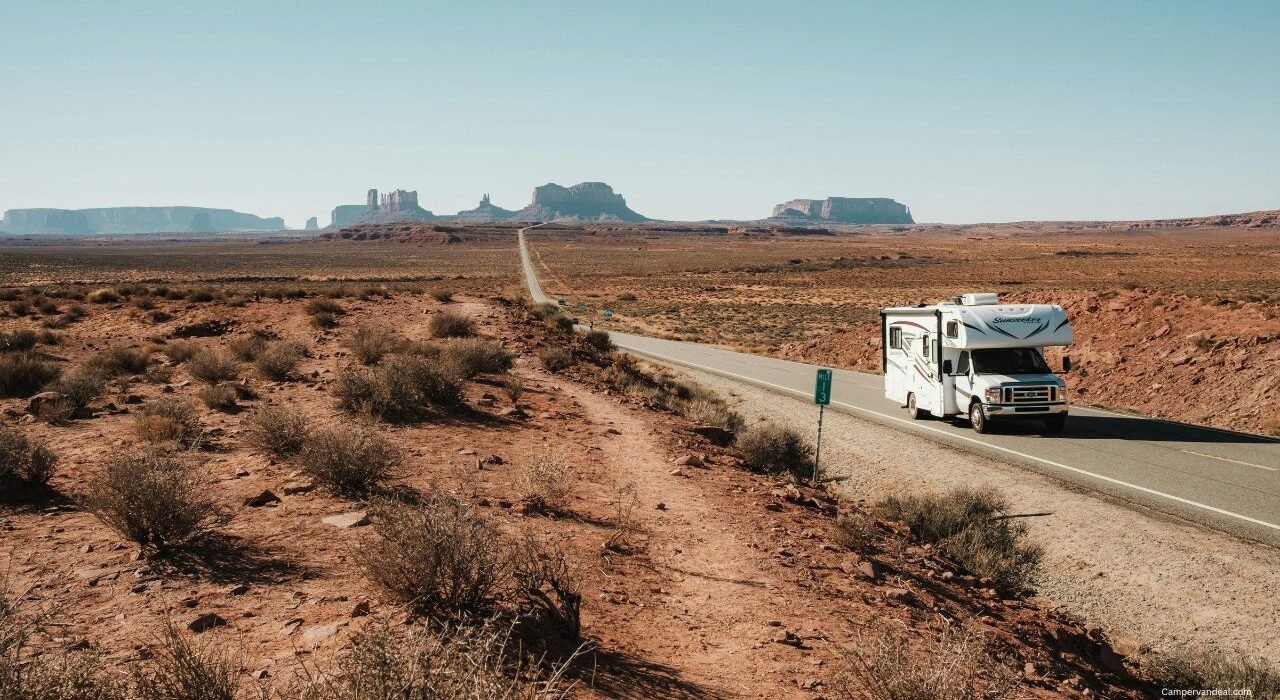
Depot staff in Auckland, Christchurch, Brisbane or Sydney are usually busy, the queue behind you is real, and the walk-around inspection can feel like a formality standing between you and the open road.
It isn’t a formality. Whatever damage or fault isn’t recorded at pickup can become your responsibility at drop-off.
This isn’t about being paranoid or difficult with the depot staff. Most rental companies in Australia and New Zealand are perfectly reasonable, and most pickups go fine. But a ten-minute walk-around, done properly, is the cheapest insurance you’ll get on the whole trip — and it costs nothing but a bit of patience.
Why this step actually matters
Campervans and motorhomes take a beating. Gravel roads, tight campsite turns, other renters before you — by the time your rental reaches you, it’s likely picked up a few scuffs, stone chips and scratches along the way.
None of that is a problem in itself. The problem is if those marks aren’t written down and photographed before you drive off. At drop-off, a tired staff member doing a quick check can easily attribute an old mark to you — and without your own proof from pickup, that argument is very hard to win.
can save you a bond dispute at drop-off
Before you even look at the vehicle
There are a few things worth confirming at the counter, before you walk outside.
- Your insurance/excess level matches what you booked
- Bond amount and how it’s held (credit card hold vs cash)
- Included kilometres, if any
- Number of authorised drivers listed
- 24-hour breakdown/emergency contact number
- Drop-off location, date and time
- Whether a pre-departure orientation is included
If a staff member offers to talk you through the vehicle’s systems, take them up on it, even if you’re experienced. Gas, water, and electrical setups vary between makes, and asking questions here is free. Asking them on the side of a highway later isn’t.
The walk-around: exterior
Walk the full vehicle slowly, in daylight if at all possible. Depots in places like Auckland Airport or Sydney’s outer suburbs are sometimes dim or partly undercover, so if the light is poor, ask to move the van outside or use your phone torch.
| Look closely at: Bumpers, wheel arches, side panels, roof edges, mirrors, windscreen |
Don’t forget: Underneath the vehicle, the roof (if you can safely see it), and both sides — not just the side facing the counter |
⚠️ Photograph and video everything — every scratch, dent, chip and scuff, however small. Include a wide shot showing the number plate and a general timestamp (your phone’s camera does this automatically). Do this before you load your luggage or hitch anything on, so nothing is blocked from view.
Check the tyres too, including the spare if one is fitted. Look for tread depth, obvious wear patterns, and confirm a jack and wheel brace are actually present — not just listed on the inventory sheet.
Inside the cab
- Odometer reading (photograph it)
- Fuel/gas gauge level (photograph it)
- Warning lights on the dashboard
- Windscreen chips or cracks
- Air conditioning and heating work
- Indicators, headlights, brake lights, hazards
- Horn
- Seatbelts for every seat you’ll use
The fuel level matters more than people expect. Most NZ and AU rental agreements require you to return the vehicle at the same level it was given to you — “full to full” is common, but not universal. If the tank isn’t full at pickup, get the exact level noted on your paperwork, not just a verbal assurance.
Inside the living area
This is the part people skip because it feels like snooping through someone else’s kitchen. Go through it anyway.
| Area | What to test |
|---|---|
| Kitchen | Stove/gas burners ignite, fridge is running and cold, sink drains, all cookware and cutlery listed is present |
| Water | Fresh water tank level, taps run, hot water works, grey/black tank levels and where to empty them |
| Toilet/shower | Cassette toilet operation, shower drainage, any existing odours or leaks |
| Power | House battery charge, 12V sockets, USB ports, external power lead included and undamaged |
| Beds & storage | Bed conversion mechanism, mattress condition, cupboard doors latch properly, no damp smell |
| Cleanliness | Genuinely clean, not just tidy — check under seat cushions and inside cupboards |
If something is missing from the inventory list — a chopping board, a specific pot, an awning peg — say so now. Chasing it up three days later, somewhere near Wanaka or the Sunshine Coast, is a much harder conversation.
Self-containment: check it, don’t assume it
In New Zealand particularly, self-containment status affects where you’re legally allowed to park overnight. A vehicle advertised as self-contained needs a valid Self Containment Warrant sticker, not just the right equipment fitted.
⚠️ Look for the blue self-containment sticker and check its expiry date. If it’s expired, or missing, and self-containment was part of what you booked, raise it before you drive away — not after you’ve been moved on from a freedom camping spot, or fined.
In Australia, requirements vary by state and council, but the same principle applies: confirm what the vehicle is actually certified for, rather than relying on the marketing description.
Get the damage acknowledged in writing
Photos on your own phone are useful, but they’re stronger when paired with paperwork the depot has actually signed off on.
all three, not just one
If a staff member wants to wave off a small scratch as “already known, don’t worry about it,” ask them to write it on the form anyway. It takes them thirty seconds, and it removes any ambiguity later. A verbal “don’t worry about it” carries no weight in a bond dispute.
Don’t skip the paperwork itself
It’s tempting to sign quickly and get on the road, especially with a queue behind you or a ferry to catch. Read it anyway — or at minimum, check these specific things:
- Excess amount if the vehicle is damaged
- What’s excluded from insurance (windscreen, tyres, undercarriage, roof height strikes)
- Off-road or unsealed-road restrictions
- Ferry booking responsibility, if relevant
- Late return fees and grace period
- Cleaning fee if returned dirty
- Number of listed drivers matches who’s actually driving
- Contact number for breakdowns or emergencies
Windscreen and tyre damage catches a lot of first-time renters out. On NZ’s gravel side-roads and rural AU highways, a stone chip is a genuine possibility, and many policies exclude this kind of damage from standard cover. If you’re planning any unsealed roads, ask directly whether that’s covered or restricted.
A quick word on gas bottles and height
Two things people forget to check and regret later:
| Vehicle height | Note it and keep it visible on the dash. Low car park entries, drive-throughs and some rural bridges catch out taller motorhomes regularly — this is one of the most common (and expensive) rookie mistakes. |
| Gas bottle level | Ask how full it is and how to tell when it’s low. Running out mid-cook on a cold night, three hours from the nearest depot, is a miserable way to find out. |
If something’s genuinely wrong — say so before you leave the yard
Not every issue is worth arguing over. A slightly stiff cupboard door or a faint scuff on a bumper usually isn’t worth delaying your trip for. But some things are worth holding firm on.
✅ Minor cosmetic marks, a slightly worn interior, small scuffs already noted on the sheet — normal, not worth a fight.
❌ A warning light you can’t explain, a fridge that isn’t cooling, an expired self-containment sticker, a fuel level that doesn’t match the paperwork, or damage the staff won’t record — worth pushing back on, even if it delays departure.
It’s genuinely easier to sort these things out in the yard, with staff standing right there, than by phone once you’re two hours down the road.
The verdict
The pickup inspection isn’t the depot being difficult, and it isn’t you being difficult either. It’s the one part of the process that protects both sides.
| ✅ Do: photograph everything, get marks noted in writing, test every system before you drive off. | ❌ Don’t: sign quickly just to avoid holding up the queue, or take a staff member’s word over a written note. |
Ten minutes of mild awkwardness at the depot is a much better trade than a bond dispute over damage you didn’t cause, three weeks and several thousand kilometres later.
Check it before you drive off. Not after.
Last updated: August 20, 2026