
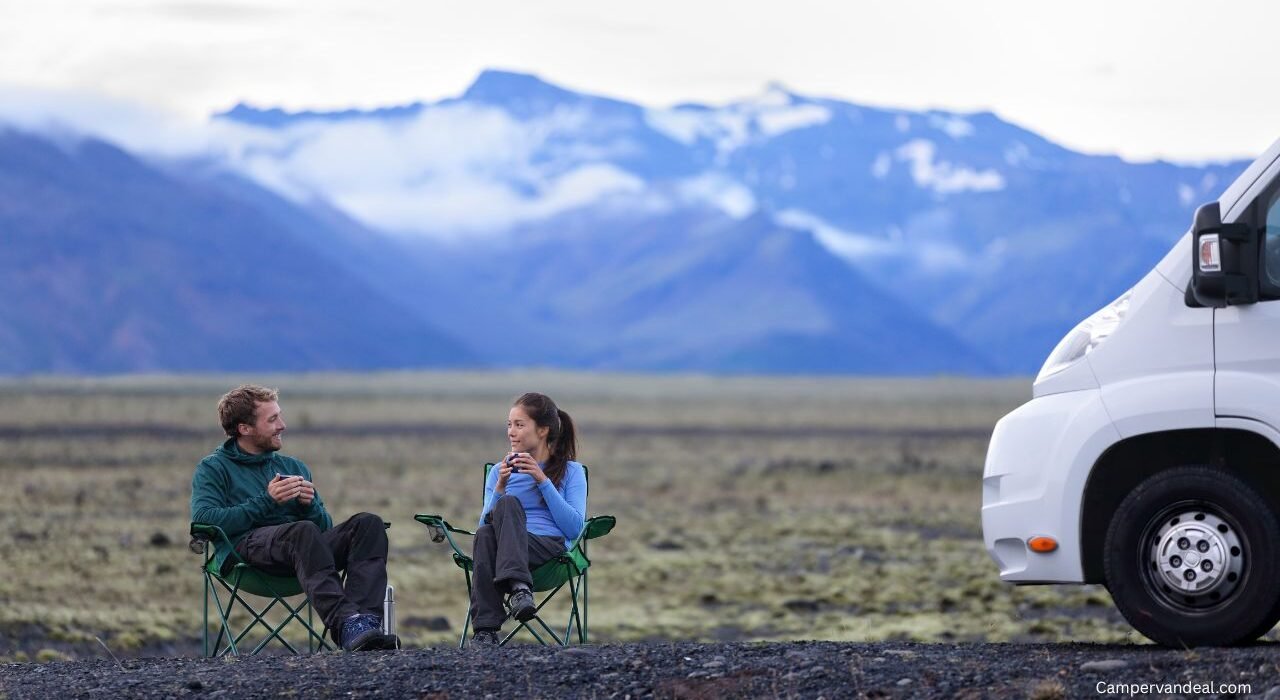
Everyone who’s ever picked up a campervan for the first time has a version of the same story: standing in the rental yard, nodding along as a staff member explains the grey water tank, the gas isolation switch, and the toilet cassette in about ninety seconds flat, then driving off half-remembering which lever does what.
Nobody arrives at campervanning already knowing this stuff. The people who have a smooth first trip aren’t the ones who got lucky — they’re the ones who knew what actually trips people up before they left the yard.
Here’s the honest version — the rules that changed this year, the numbers that surprise first-timers, and the mistakes that show up again and again in reviews and forums.
The freedom camping rule that changed this year
If you read an older blog post about freedom camping in New Zealand, there’s a good chance it’s now out of date. On 7 June 2026, the old “Blue Warrant” self-containment sticker system was retired completely.
⚠️ Only the Green Warrant card counts now. Blue stickers — even ones that look current — carry no legal status. Vehicles with a portable (non-fixed) toilet no longer qualify as self-contained at all, full stop.
Most established rental fleets (JUCY, Britz, Apollo, Maui, Wilderness, and similar) certify their vans as standard, but it’s not something to assume — always ask specifically whether the van you’re booking carries a current Green Warrant, and check the vehicle’s number plate against the free national Self-Contained Motor Vehicles Register before you rely on it for freedom camping.
Failing to display the card starts at $200; waste-related offences run up to $1,000, and refusing to move on when asked by an enforcement officer adds a further $600
The distance you can actually cover in a day
This is the single most common planning mistake first-timers make, and it has nothing to do with the vehicle itself.
People plan New Zealand road trips the way they’d plan a European motorway trip — by dividing distance on the map by an assumed speed. NZ roads don’t work that way. Winding two-lane roads, one-lane bridges, mountain passes, and a 90km/h open-road speed limit for campervans (not the 100–110km/h limit that applies to cars) all add up fast.
| Guideline | Recommended |
|---|---|
| Daily distance | 200–400km, less in the first few days while you find your feet |
| Daily driving time | No more than 4–5 hours |
| Average open-road speed | 80–90km/h including stops, not the posted limit |
| Break frequency | Every 2 hours, regardless of how alert you feel |
The most common way this goes wrong: booking an itinerary that would work fine as a driving holiday in a car, then discovering three days in that a “quick 300km hop” between towns is actually a five-hour ordeal through mountain passes with no time left to stop anywhere.
What almost nobody tells you about pickup day
Vehicle handover briefings are notoriously fast — often covering the gas isolation switch, the grey and black water systems, the toilet cassette, the fridge power modes, and the awning setup in a matter of minutes.
⚠️ Multiple first-timer accounts describe the same anxious first two days: forgetting whether the gas was turned off, whether the toilet hatch was locked, or how to switch the fridge from mains power to gas before driving off. This is completely normal — most people say it takes about two days before it becomes automatic.
Two habits fix this immediately: photograph the water/gas/electrical control panel with your phone during the walkthrough (staff won’t mind), and do a simple two-person checklist before every departure — gas off, toilet locked, water pump off, roof hatches closed. Write it on a sticky note and put it on the dashboard for the first few days.
The parking mistake that ruins the first night
After a full day of driving, the instinct is to pull into the first available spot and get settled. This is exactly how people end up sliding out of bed at 2am.
- Walk the site before committing — look for slope, not just space
- Use a spirit level app or a rolling water bottle to check levelness
- Level ramps or wheel wedges are cheap and solve most minor slopes
- Park nose slightly downhill from the fridge if you can’t get fully level — some fridges won’t run efficiently on a strong side-tilt
Overpacking is the default mistake, not the exception
Because a campervan has more room than a suitcase, the instinct is to bring everything. Almost every experienced campervanner reports the opposite lesson: most rentals already include the basics — bedding, kitchenware, cleaning supplies — and every extra bag becomes something to find storage for, secure before driving, and dig through in a small space.
Check your specific rental’s inclusions before packing — what’s included varies by company and vehicle tier, so it’s worth confirming rather than assuming.
Booking timing matters more than people expect
Peak season (December to March, and school holidays) sees campervan demand spike hard across both countries. Booking early isn’t just about avoiding sold-out dates — it directly affects price, vehicle choice, and route flexibility.
Most NZ campervan companies operate from a small number of depots — typically Auckland, Christchurch, and Queenstown — so on tight peak-season timelines, the specific vehicle size or layout you want can sell out weeks in advance, even if “a campervan” is still technically available.
Licence and age requirements catch some travellers off guard
| Legal driving age (NZ) | 16 years old |
| Typical minimum rental age | 18–21, depending on the company (most sit at 21+; a few accept 18+ with a young-driver surcharge) |
| Overseas licence requirement | Must be current, in English (or accompanied by an official translation/International Driving Permit), and valid for a full-size vehicle with no restrictions |
Confirm your specific company’s exact age and licence rules before booking — they vary enough between operators that assuming isn’t safe.
So what should you actually do before you leave the yard?
- Confirm the van’s Green Warrant status before relying on it for freedom camping
- Plan no more than 200–400km or 4–5 hours of driving per day, especially in your first days
- Photograph the control panel during the handover walkthrough
- Write a simple departure checklist (gas, toilet, water, hatches) for the first few days
- Check ground levelness before committing to a parking spot for the night
- Pack light — check what’s already included before duplicating it
- Book early for peak season, especially if you want a specific vehicle size
- Confirm your licence and age meet the specific company’s requirements, not just the legal minimum
The verdict
None of this is complicated once you know it. The entire “steep learning curve” of a first campervan trip is really just a handful of specific, well-documented things nobody happens to mention until you’ve already lived through them once.
| ✅ Remember: Green Warrant only (not blue stickers), 200–400km driving days, photograph the control panel, and a two-minute departure checklist. | ❌ Don’t assume: your itinerary will run at car speeds, that all campervans still qualify as self-contained, or that you’ll remember the walkthrough after driving off. |
Most people who felt anxious on day one report feeling completely comfortable by day three. The awkward part is short — it’s just rarely mentioned in the brochure.
Know the new rules, plan realistic distances, and give yourself two days to get the hang of it.
Sources & further reading
- Department of Conservation — Freedom Camping Rules & Green Warrant Requirements
- NZ Backpackers — Freedom Camping Rules NZ 2026: Complete Guide
- Touring Brain — Driving in New Zealand: Campervan & Motorhome Safety Guide
- Britz NZ — 8 First-Time Campervan Rental Mistakes to Avoid
- NZ Pocket Guide — Travel by Campervan in New Zealand: The Ultimate Guide
Self-containment rules, fines, and driving guidelines reflect New Zealand regulations current as of August 2026, including the Green Warrant system that became mandatory on 7 June 2026. Rules, age requirements, and rental inclusions vary by company and may change — always confirm current requirements directly with DOC, your local council, and your specific rental provider before your trip.
Last updated: August 24, 2026